IRONMAN Canada-Ottawa: Your Complete Guide to One of the Nation's Most Iconic Endurance Events
IRONMAN Canada-Ottawa took place on August 3, 2025—not May 4, 2025. Since we're already into November 2025, this year's race is behind us. But don't let that discourage you! Understanding what makes this event special will help you prepare for future editions.
I've spent years helping athletes navigate the IRONMAN journey, and Canada-Ottawa holds a special place in my heart. It's not just another race on the calendar—it's where Canadian pride meets world-class endurance sport, and trust me, the energy is unlike anything you'll experience elsewhere.
Why IRONMAN Canada-Ottawa Stands Out
The Legacy Factor
This event carries the distinguished IRONMAN Canada brand and serves as a qualifying race for the IRONMAN World Championship. When you cross that finish line beside Parliament Hill—one of Canada's most recognizable landmarks—you're not just completing a race. You're writing yourself into a legacy that celebrates both personal triumph and national pride.
A City That Embraces You
Here's something many athletes don't realize until race weekend: Ottawa doesn't just host this event—it celebrates it. The entire city transforms into a triathlon festival. Fully closed bike courses mean you're not sharing the road with traffic. Cheering zones packed with enthusiastic fans create an energy that can pull you through those tough moments when your body is screaming at you to stop.
The city's exceptional walkability, robust public transit system, and abundance of hotels and restaurants make logistics refreshingly simple. After dealing with complicated race venues where you need a car for everything, Ottawa's accessibility is genuinely liberating.
The Course Breakdown: What You're Really Up Against
The Swim: 3.8 km (2.4 miles)
Starting Point: Britannia Park, Ottawa River
Format: Single-loop configuration
The swim segment offers something rare in IRONMAN racing—sheltered, serene waters. Water temperatures historically sit in the low to mid-70s °F (low 20s °C), making it wetsuit-legal. This is your opportunity to start strong without battling rough conditions.
Pro insight: The point-to-point or single-loop layout starting at Britannia Park provides excellent spectator viewing. Use that crowd energy right from the beginning. Start according to your ability to avoid the washing machine effect at the front.
Cut-off time: 2 hours 20 minutes after your individual start
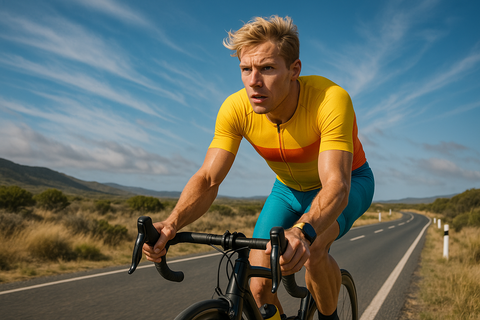
The Bike: 180.2 km (112 miles)
The Reality: This is a challenging course that traverses Ontario and Quebec, featuring the significant climbs of Gatineau Park. You're looking at over 1,200 meters (4,000 feet) of elevation gain across rolling to hilly terrain.
The Mental Game: Those sustained climbs in Gatineau Park represent the primary technical and physical challenge. I've watched countless athletes attack these hills only to blow up on the run. Here's the truth I wish someone had told me during my first hilly IRONMAN: This bike course is not about setting a personal best—it's about setting up a successful run.
Course Conditions:
- Fully closed city streets along Ottawa's limits
- Generally good road surface with some variable patches
- Draft zone of 12 meters with a 25-second pass rule (non-drafting event)
- Aid stations approximately every 10-15 miles providing water, sports drink, cola, gels, bars, fruit, and salty snacks
- Mechanical support available on course
Strategic Approach: Practice disciplined pacing and energy conservation, especially on those climbs. Think of it like a bank account—every watt you overspend on the bike is a withdrawal from your run account with interest.
Cut-off time: 10 hours 30 minutes after your individual start
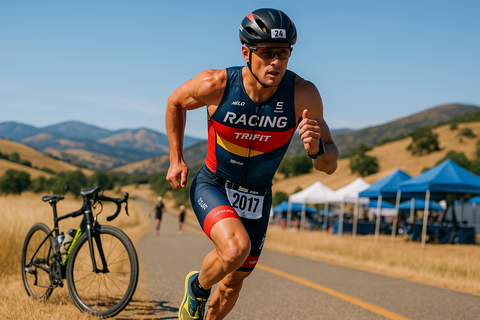
The Run: 42.2 km (26.2 miles)
Format: Multi-loop course
Terrain: Predominantly flat to gently rolling along the Ottawa River Pathway
Surface: Asphalt and packed gravel
After those Gatineau Park climbs, these flat, shaded pathways feel like a gift. The multi-loop format creates a spectator-friendly environment where you'll see familiar faces multiple times—a psychological boost when you're deep in the pain cave.
Aid Station Support: Approximately every mile, offering water, sports drink, cola, gels, bars, fruit, and salty snacks
The Strategy: Use these pathways to find a sustainable rhythm. If you respected the bike course and managed your effort appropriately, this is where you can shine.
Cut-off time: 17 hours after your individual start
Environmental Realities
Weather Patterns
Race day typically features average highs in the 70s °F (low to mid-20s °C)—ideal conditions for endurance racing. However, the Ottawa River valley can channel wind, particularly impacting the bike segment. Train in various wind conditions so you're not caught off guard.
Water Temperature
Consistently wetsuit-legal (below 76.1°F / 24.5°C). However, final wetsuit regulations are always confirmed by officials on race morning based on actual water temperature measurements.
Your Training Blueprint
Timeline Commitment
A dedicated 20-24 week training plan is the minimum foundation for building necessary endurance. Don't shortcut this. IRONMAN doesn't respect shortcuts.
Specific Training Focus
Bike Preparation:
Those Gatineau Park climbs demand significant focus on hill repeats and sustained climbing power. If you live in a flat area, find creative solutions—parking garage repeats, long trainer sessions with elevation simulation, or weekend trips to hilly terrain.
Run Training:
Practice long runs off the bike (brick workouts) to simulate race-day fatigue. Your legs need to learn what marathon pace feels like after 112 miles of cycling.
Course Familiarization:
If possible, training on the actual course or similar terrain is highly beneficial for both confidence and strategy development. Nothing replaces the mental preparation that comes from knowing what's ahead.
Nutrition Strategy: Your Fourth Discipline
Here's something I learned the hard way: you can have perfect swim, bike, and run fitness, but if your nutrition fails, your race fails.
The Foundation: Adhere to a well-practiced nutrition plan. The aid stations are frequent, so plan your intake around them rather than carrying excessive supplies.
Preventing the Bonk and the Cramp: Proper supplementation is critical. Consider options like electrolyte chews to maintain electrolyte balance and magnesium complex to prevent cramping during those long hours of effort.
Practice Makes Perfect: Never experiment on race day. Your nutrition strategy should be rehearsed during long training sessions until it becomes automatic.
Race Day Logistics
Pre-Race Operations
Check-in & Bike Racking: Mandatory athlete check-in and bike racking occur in the days leading up to the race. Specific schedules are published in the official Athlete Guide.
Transition Area: Located at Britannia Park with split transition (T1 and T2). Bikes must be racked by handlebars or seat. Specific layout and flow details are provided in the Athlete Guide.
Parking Reality: Limited parking at Britannia Park makes shuttles or drop-offs highly recommended. Plan this logistics detail early to avoid race morning stress.
On-Course Support
Technical Support: Mechanical assistance is available on the bike course, but don't rely on it for basic issues. Know how to change a flat and make minor adjustments.
Medical Facilities: Full medical support is present at the venue and key course points. Your safety is prioritized throughout.
Timing & Tracking: Official chip timing with live athlete tracking through the IRONMAN Athlete Tracker app allows your support crew to follow your progress.
Post-Race Experience
The Finish Line
Crossing beside Parliament Hill creates a finish line experience designed for lasting impressions. This isn't just about getting a medal—it's about celebrating a monumental achievement against one of Canada's most iconic backdrops.
Results & Recognition
Live results published online and via IRONMAN Athlete Tracker Official results typically finalized shortly after the race Awards ceremony includes allocation of qualifying slots for the IRONMAN World Championship
Recovery Support
Post-race recovery amenities and food are provided. Your body has just completed something extraordinary—treat it with the respect it deserves during those critical recovery hours.
What Athletes Are Saying
Analysis of participant feedback reveals strong positive sentiment regarding:
- Scenic beauty throughout all three segments
- Exceptional volunteer support that creates a welcoming atmosphere
- Well-organized race operations
Common challenges noted:
- Bike course difficulty—particularly those Gatineau Park climbs
- Pre-race parking logistics
This honest feedback matters. Knowing these challenges ahead of time allows you to prepare appropriately rather than being caught off guard.
Essential Rules & Regulations
Age Requirements: Open to athletes
When did the IRONMAN Canada-Ottawa race take place in 2025?
The IRONMAN Canada-Ottawa race took place on August 3, 2025.
What makes the IRONMAN Canada-Ottawa course unique?
The course is known for its scenic beauty, particularly the significant climbs in Gatineau Park which present a challenging experience. The swim segment offers sheltered waters, and the run is predominantly flat along the Ottawa River Pathway, creating a spectator-friendly environment.
How should athletes prepare for the Gatineau Park climbs on the bike course?
Athletes should focus on hill repeats and sustained climbing power in their training. It's crucial to practice disciplined pacing and energy conservation to successfully tackle the climbs without compromising the subsequent run segment.
What type of weather conditions can participants expect on race day?
Participants can expect average highs in the 70s °F (low to mid-20s °C), which are considered ideal for endurance racing. However, they should also be prepared for potential wind conditions, especially affecting the bike segment.
What is crucial about the nutrition strategy for the IRONMAN Canada-Ottawa?
Having a well-practiced nutrition plan is crucial. Athletes should use aid stations effectively and never experiment with new nutrition strategies on race day. Consistent practice during training will help prevent fatigue and cramping during the race.
What should participants know about race day logistics and support?
Participants must attend mandatory check-in and bike racking. Limited parking at Britannia Park recommends early logistics planning with shuttles or drop-offs. On-course support includes technical assistance and medical facilities at key points.
Discover unique triathlon-themed merchandise, including stylish t-shirts, stickers, phone cases, and home decor - perfect for endurance sports enthusiasts and athletes. Shop now
Find the perfect race day essentials at TriLaunchpad — your triathlon journey starts here. Shop all collections →