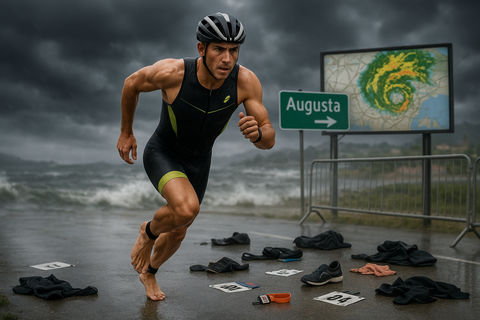
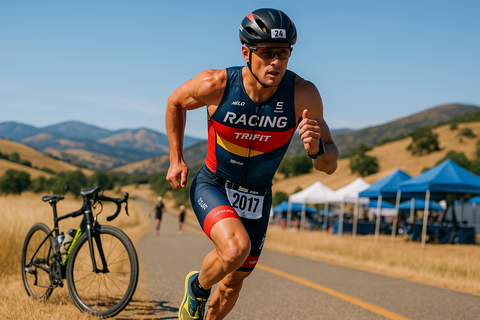
Triumph on Home Turf: Fernando Toldi and Vittoria Lopes Shine at Ironman 70.3 Aracaju-Sergipe
Fernando Toldi and Vittoria Lopes delivered stellar performances at Ironman 70.3 Aracaju-Sergipe, showcasing two distinct approaches to triathlon success: tactical patience and commanding front-running.
There's an unparalleled thrill in winning on home soil. The familiar sights, the roar of the crowd cheering in your native tongue, and the pride of representing your country in front of your own people create a unique magic. At the Ironman 70.3 Aracaju-Sergipe, Brazilian athletes Fernando Toldi and Vittoria Lopes experienced this magic firsthand, delivering stellar performances that had their home crowd celebrating long into the night.
Their victories highlighted two distinct approaches to triathlon success: Toldi's strategic patience and perfectly-timed surge, and Lopes' commanding front-running that kept competitors at bay. For triathlon enthusiasts and aspiring athletes, these races offer valuable lessons in race strategy, pacing, and the psychology of home advantage.
The Power of Home Advantage in Triathlon
Racing at home provides unique psychological benefits that extend beyond mere crowd support. Athletes often feel more relaxed in familiar environments, sleep better in their own beds, and draw energy from supporters who understand the local language and culture. Data from elite triathlon consistently shows that athletes tend to perform 2-5% better on home soil compared to international races.
For Toldi and Lopes, this advantage was evident from the pre-race atmosphere through to their finishing celebrations. The Brazilian triathlon scene has been steadily growing, with more athletes competing at international levels and domestic races gaining prestige on the global calendar. This creates a virtuous cycle where home success breeds confidence for international competition.
Men's Race Analysis: Fernando Toldi's Tactical Masterpiece
The Swim: Setting Up the Race
While South African Dylan Nortje posted the fastest swim split at 24:09, the real story was the formation of a seven-man leading pack that included Toldi. This early positioning proved crucial, demonstrating the importance of staying with the leaders regardless of who sets the pace.
Key Insight: In 70.3 racing, being part of the front group matters more than posting the fastest individual swim time. Toldi's smart positioning allowed him to conserve energy while staying in contention. For those looking to improve their swim performance, investing in quality anti-fog swim goggles can make a significant difference in open water conditions.
The Bike: Strategic Attrition
The 90-kilometer bike leg became a game of tactical chess as the seven-man group gradually whittled down to three: Toldi, Reinaldo Colucci, and Filipe Azevedo. This process of natural selection on the bike is common in elite racing, where sustainable power output separates contenders from pretenders.
By T2, this trio had built a commanding 2:42 advantage over fourth-place Enzo Krauss, with other contenders falling further behind:
- Andre Lopes: +4 minutes
- Dylan Nortje: +6 minutes
Tactical Analysis: The ability to work together while simultaneously testing each other's limits showcases elite race craft. Each athlete needed to contribute to maintaining the gap while preserving energy for the decisive run leg. For age-groupers looking to optimize their bike performance, a GPS bike computer can help monitor pacing and power output during training.
The Run: Patience and Precision
The run initially saw Colucci taking charge, a common strategy among athletes looking to test their competitors early. However, Toldi demonstrated the patience that separates good triathletes from great ones.
"Within a few kilometers, Toldi had surged past him, followed shortly after by Azevedo. From there, Toldi controlled the race."
This sequence illustrates perfect race execution:
- Allow an aggressive competitor to make the first move
- Assess your own capabilities against the pace
- Respond decisively when the moment is right
- Control the race once you take the lead
Toldi's finishing time of 3:48:14 reflected a perfectly executed race plan, with Azevedo claiming second in 3:50:25 and Nortje's impressive comeback netting third place in 3:52:11.
Women's Race Breakdown: Vittoria Lopes' Dominant Display
Establishing Early Control
Lopes took a completely different approach from Toldi, choosing to establish dominance from the opening discipline. Her swim split of 25:46 immediately created breathing room, with nearly two and a half minutes separating her from Bruna Stolf in second place.
Strategic Consideration: Front-running requires exceptional confidence and fitness. Unlike negative splits or come-from-behind strategies, leading from the front means absorbing everyone else's best efforts throughout the race. Proper training preparation is essential for executing this strategy successfully.
Building the Unassailable Lead
The bike leg saw Lopes extend her advantage systematically. By T2, she had opened up a remarkable 14:24 lead over Fernanda Penkal in second place. This gap represented more than just superior fitness – it demonstrated race management and the ability to sustain pressure without cracking.
Maintaining Dominance
With such a substantial lead entering the run, Lopes faced a different challenge: maintaining focus and avoiding complacency. Elite athletes often struggle more with managing large leads than they do with close battles, as the competitive adrenaline can dissipate.
Her finishing time of 4:13:04 was a testament to professional execution, with the podium completed by:
- Pietra Meneghini: 4:34:04 (second place)
- Mikelle Coelho: 4:36:52 (third place)
Performance Analysis and Key Takeaways
Split Time Insights
The race data reveals several important patterns:
Men's Race Dynamics:
- Swim speed didn't determine the winner (Nortje fastest, finished third)
- Bike collaboration was crucial for maintaining the front group
- Run fitness and tactical awareness decided the podium
Women's Race Patterns:
- Early dominance can be psychologically devastating for competitors
- Consistent pacing across all three disciplines proved most effective
- Large time gaps can be maintained with proper race management
Tactical Lessons for Age-Group Athletes
- Positioning Over Speed: Both races showed that strategic positioning often matters more than raw speed in individual disciplines.
- Energy Conservation: Toldi's patience on the run demonstrates the value of racing your own race rather than reacting to every competitor move.
- Front-Running Confidence: Lopes showed that taking early control can be just as effective as tactical patience, provided you have the fitness to back it up.
- Home Advantage Utilization: Both athletes seemed to draw energy from their home crowd, suggesting the psychological preparation for home races should be different from away competitions.
The Growing Brazilian Triathlon Scene
These victories highlight the strength of Brazilian triathlon development. The country has been investing heavily in multisport infrastructure, coaching education, and athlete development programs. Success on home soil often translates to increased confidence and performance at international events.
The depth of competition was evident in both races, with multiple Brazilian athletes featuring prominently in the results. This suggests a healthy competitive environment that pushes all athletes to higher performance levels. For those inspired to start their triathlon journey, understanding race formats and time limits is an excellent starting point.
Looking Ahead: Brazilian Triathlon's International Prospects
These home victories position both Toldi and Lopes well for future international competition. The confidence gained from commanding home wins often translates to improved performance on foreign soil. With Brazil continuing to develop its triathlon infrastructure and athlete support systems, we can expect to see more Brazilian athletes competing at the highest international levels.
The success at Ironman 70.3 Aracaju-Sergipe also bodes well for other Brazilian races on the international calendar, potentially attracting more international elite athletes and raising the profile of Brazilian triathlon globally. For those interested in exploring other Brazilian triathlon events, check out our comprehensive guide to Ironman Brazil in Florianopolis.
Conclusion: The Art of Home Soil Victory
Fernando Toldi and Vittoria Lopes didn't just win races – they delivered masterclasses in different approaches to triathlon excellence. Toldi's tactical patience and perfectly-timed surge demonstrated how elite athletes can control races without leading from the front. Lopes' commanding front-running display showed that early dominance, when backed by superior fitness and mental strength, can be just as effective.
For the broader triathlon community, these performances offer valuable lessons in race strategy, the psychology of competition, and the special motivation that comes from representing your home nation. Whether you're an aspiring professional or a recreational triathlete, the tactical elements on display at Aracaju-Sergipe provide a blueprint for smarter, more effective racing.
As Brazilian triathlon continues to grow in strength and depth, victories like these serve as both celebration and inspiration – proving that with the right preparation, strategy, and home crowd support, magical performances become possible. To continue improving your triathlon performance, explore our essential gear guides and nutrition recommendations for triathletes.
Find the perfect race day essentials at TriLaunchpad — your triathlon journey starts here. Shop all collections →