Beyond Ironman: How Two Canadians Are Conquering the World's Most Brutal Triathlon
When most people think they've reached their physical limit after completing an Ironman, Ultraman athletes are just getting warmed up. This year, two Canadians are representing the Great White North at the Ultraman World Championships in Hawaii, where finishing is winning and every step forward is a victory. As the race unfolds, these athletes push the boundaries of human endurance, proving that the spirit of competition knows no limits.
What is Ultraman?
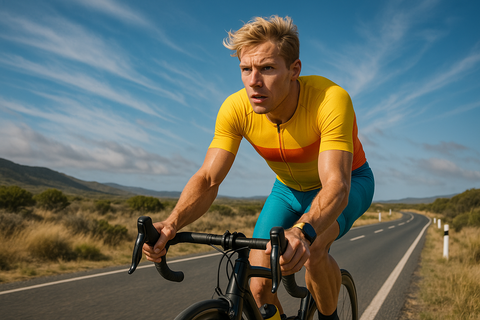
Ultraman is not just a race; it's an odyssey of human endurance. Unlike traditional triathlons, Ultraman spans three grueling days, testing athletes across a 515-kilometer course. Day 1 kicks off with a 10-kilometer swim followed by a 145-kilometer bike ride. Day 2 challenges competitors with a 276-kilometer bike ride, the longest stage of the event. Finally, Day 3 culminates in an 84-kilometer double marathon. Set against the stunning backdrop of Hawaii, this race is as much a mental challenge as it is a physical one.
Meet the Canadian Contingent
Dave Matheson
Hailing from Penticton, British Columbia, Dave Matheson is no stranger to the world of endurance racing. With over 30 Ironman races under his belt and 10 starts at the Kona Ironman World Championships, Matheson is a seasoned competitor. His crowning achievement came at the Ultra 520, where he set a record by completing the 520-kilometer course in 21 hours, 37 minutes, and 27 seconds. Currently, Matheson sits in 3rd place after Day 2, showcasing his consistent performance and strategic prowess.
Scott McDermott
From Sylvan Lake, Alberta, Scott McDermott brings a wealth of experience to the Ultraman World Championships. Having debuted in the Canadian Ultraman in 2011, McDermott has since competed in the World Championships in 2013 and 2018. This year, he's made a remarkable climb from 17th to 11th place, demonstrating his veteran savvy and relentless drive. McDermott's journey is a testament to the power of perseverance and passion for ultra-distance racing.
Stage Two Breakdown - The Crucible
The 276-kilometer bike challenge on Day 2 is a true test of endurance and strategy. With a course that winds through Hawaii's diverse landscapes, athletes face not only physical fatigue but also environmental factors like heat and wind. Nutrition and mechanical challenges add another layer of complexity, making this stage a crucible for even the most seasoned competitors. Despite these hurdles, Matheson and McDermott have held their ground, positioning themselves for a strong finish in the final stage. For optimal performance during long rides, consider using Ultima Replenisher electrolytes to maintain hydration and energy levels.
The Psychology of Ultra-Endurance
Endurance racing is as much about mental fortitude as it is about physical strength. Athletes must navigate the psychological warfare of multi-day suffering, relying on crew support and mental strategies to push through dark moments. The camaraderie among competitors creates a unique community, where mutual support transcends the competition. For Matheson and McDermott, their Canadian grit and determination are key factors in their ability to endure and excel.
Day Three Preview - The Double Marathon
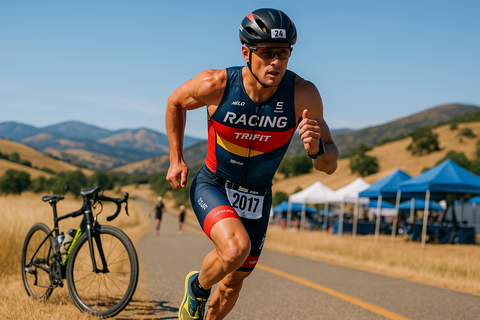
As the race enters its final stage, the 84-kilometer double marathon looms large. This ultimate test of endurance will challenge athletes to dig deep and push beyond their limits. With Matheson in podium contention and McDermott riding a wave of momentum, the Canadians are poised to make their mark. Strategic pacing, nutrition, and hydration will be critical as they tackle the final leg of this epic journey. Athletes preparing for ultra-distance events should invest in quality running shoes like the Adidas Adizero Adios 6 to support their feet through the grueling marathon stages.
The Canadian Ultra Scene
Canada's ultra-distance racing scene is vibrant and growing, with events like the Canadian Ultraman Championships providing a platform for athletes to test their limits. From the rugged landscapes of British Columbia to the icy shores of Alberta, Canada's diverse geography offers ideal training grounds for endurance athletes. As more Canadians embrace the challenge of ultra-distance racing, the country's reputation as a powerhouse in the sport continues to grow.
Technology and Tracking
In today's digital age, following the action at the Ultraman World Championships is easier than ever. Live coverage, GPS tracking, and social media updates keep fans connected to the race, while legendary coverage from figures like Bob Babbitt adds depth and insight. For families and fans, these tools provide a window into the world of ultra-endurance racing, allowing them to share in the triumphs and trials of their favorite athletes. Modern athletes rely on advanced technology like Garmin Forerunner 945 LTE GPS watches to track their performance and stay connected during ultra-distance events.
Conclusion
As the Ultraman World Championships draw to a close, the achievements of Dave Matheson and Scott McDermott stand as a testament to the power of human endurance and the spirit of competition. Their journey is a reminder that with determination and grit, anything is possible. Whether you're an aspiring triathlete or a seasoned veteran, the stories of these Canadian athletes inspire us all to push beyond our perceived limits and embrace the challenge of the unknown.
Call to Action
Follow live updates for final stage results and explore local ultra-distance events in Canada. Whether you're looking to train for your first ultra-distance race or simply want to stay informed about Canadian athletes, there's a wealth of resources and opportunities to engage with the world of endurance racing. For those serious about training optimization, consider exploring modern training tools and nutrition strategies. Embrace the challenge, and who knows? You might just find yourself at the starting line of your own Ultraman adventure.
Find the perfect cycling gear at TriLaunchpad — your triathlon journey starts here. Shop all collections →