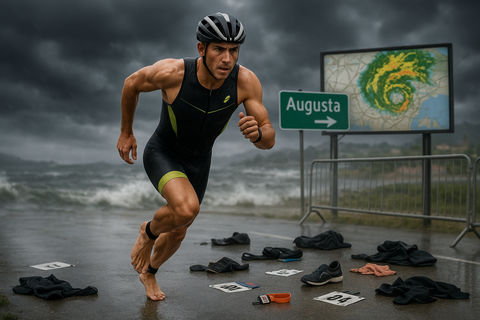
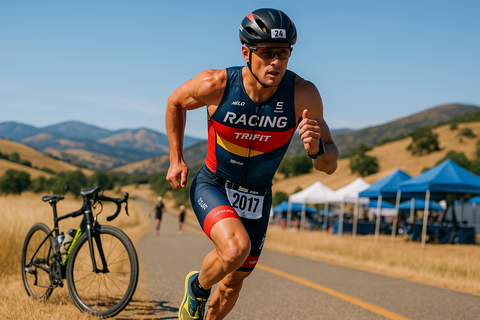
How 42-Year-Old Cam Wurf Is Defying Age to Chase IRONMAN World Championship Glory in 2026
At 42, when most professional athletes are contemplating retirement, Cam Wurf is having his best triathlon season yet – and he believes 2026 will be the year he finally conquers Kona. The Australian maverick, who transitioned from Olympic rowing to professional cycling before becoming one of triathlon's most formidable forces, isn't just maintaining his elite performance; he's actively improving across all three disciplines.
This isn't the typical story of an aging athlete desperately clinging to past glories. Instead, Wurf's journey represents a masterclass in athletic longevity, strategic preparation, and the power of renewed motivation. His recent performances suggest that experience, tactical knowledge, and smart training can not only offset physical decline but actually enhance overall performance.
At 42, when most professional athletes are contemplating retirement, Cam Wurf is having his best triathlon season yet – and he believes 2026 will be the year he finally conquers Kona. The Australian maverick, who transitioned from Olympic rowing to professional cycling before becoming one of triathlon's most formidable forces, isn't just maintaining his elite performance; he's actively improving across all three disciplines.
This isn't the typical story of an aging athlete desperately clinging to past glories. Instead, Wurf's journey represents a masterclass in athletic longevity, strategic preparation, and the power of renewed motivation. His recent performances suggest that experience, tactical knowledge, and smart training can not only offset physical decline but actually enhance overall performance.
Rediscovering the Fire: How a Book and Self-Doubt Sparked Wurf's Renaissance
The turning point came at IRONMAN Texas in April 2024, during what would become one of the most significant races of Wurf's career. After years of watching younger athletes claim his bike course records and struggling with self-doubt about whether he "still had it," Wurf found himself in a familiar but frustrating position during the swim.
"I struggled halfway through the swim and got dropped back to that second or third group that I'm normally in," Wurf recalled during his recent interview with the Triathlon Club of San Diego. The gap to the leaders ballooned to six minutes early on the bike, a deficit that typically spells doom for overall victory aspirations.
But something was different this time. The night before, Wurf had been reading Cal Newport's book "So Good They Can't Ignore You," which emphasizes the value of skill development and passionate commitment over following your passion blindly. The message resonated deeply with the seasoned athlete who had spent months in wind tunnels refining his aerodynamics.
"I just said to myself 'this sport ain't forgetting me'... just remind the sport that you still matter," Wurf explained. What happened next became legendary in triathlon circles – he bridged the six-minute gap, caught up to Kristian Blummenfelt and the lead group, and delivered one of the most memorable lines in recent IRONMAN history: "good luck catching me today buddy" as he powered past.
The result was a then-world record bike split of 3:53:32 on a notoriously challenging course, proving that Wurf's extensive aerodynamic work had paid dividends. More importantly, it reignited a fire that would fuel his ambitions for the seasons ahead.
Strategic Preparation: The Kona Campaign
Wurf's approach to Kona preparation demonstrates the wisdom that comes with experience and the luxury that comes with early qualification. His runner-up finish at IRONMAN Chattanooga secured his spot for Kona 2025, allowing him to shift focus from points accumulation to performance optimization.
"I knew it was really important this last year to qualify early if I wanted to give myself a real chance to win – or a chance to challenge [at Kona]," Wurf explained. "Having that freedom these last few months has been imperative to lay those foundations."
Periodization and Focus
The early qualification enabled targeted training blocks that would have been impossible while chasing qualification points. His recent 5K running block and return to pool speed work exemplify this approach – addressing weaknesses while maintaining strengths.
This periodization strategy also allows Wurf to peak at the right time. Rather than arriving at Kona after a season of point-chasing fatigue, he can approach the race with fresh legs and targeted fitness. Proper recovery and hydration are crucial during intense training blocks, which is why many elite athletes use magnesium and potassium electrolyte supplements to support their training.
Learning from the Best: Training with Norwegian Legends
One of the most intriguing aspects of Wurf's preparation has been his training sessions with the Norwegian athletes who have dominated professional triathlon in recent years. These sessions, which took place before the IMWC in Nice, provided valuable insights into the training methods and mindset of athletes like Blummenfelt and Gustav Iden.
The mutual respect among these elite competitors highlights an important aspect of professional sport at the highest level. Despite intense competition on race day, the shared pursuit of excellence creates opportunities for learning and growth.
For Wurf, these sessions provided validation that his fitness and approach could compete with athletes 10-15 years younger. More importantly, they reinforced that experience and tactical knowledge remain valuable assets in triathlon, where race management and pacing strategy often determine outcomes as much as raw fitness.
The Record Chase: Texas 2026 and Beyond
Wurf's ambitions for the coming season extend beyond simply remaining competitive. His targets are specific and audacious: reclaim the bike course record at Texas (currently 3:52:10) and break the overall course record of 7:21:12.
These aren't vanity goals – they represent strategic stepping stones toward his ultimate objective of winning Kona. Texas provides an ideal testing ground for the fitness and form that could translate to success in Hawaii's unique conditions.
"I really want to go to Texas and not only have the world record on the bike but also I want to do the fastest time ever because I believe I can do that," Wurf stated with characteristic confidence.
The mathematical reality supports his optimism. A 3:52 bike split combined with his recent run fitness suggests an overall time in the 7:15-7:20 range is achievable under optimal conditions.
What Masters Athletes Can Learn from Wurf's Approach
Wurf's success at 42 offers valuable lessons for age-group athletes and masters competitors looking to extend their competitive careers:
Embrace Technical Improvements
Rather than simply trying to maintain past fitness levels, Wurf actively sought improvements through wind tunnel testing and technique refinement. The lesson: aging doesn't mean accepting decline if you're willing to work smarter.
Strategic Periodization
Early qualification allowed targeted weakness addressing. For age-group athletes, this might mean qualifying for championships early to allow focused training, or choosing races strategically to optimize preparation. Learning from modern training tools and apps can help optimize your preparation.
Mental Resilience and Motivation
The Texas breakthrough came as much from renewed mental fire as physical preparation. Finding your "why" and maintaining competitive drive becomes increasingly important as external validation diminishes with age.
Consistency Over Peak Performance
Wurf's nine consecutive marathon splits between 2:44-2:53 demonstrate that consistency often trumps occasional brilliance. Building reliable performance creates confidence and reduces race-day pressure.
The Science Behind Age-Defying Performance
While Wurf's story might seem exceptional, sports science suggests that significant performance maintenance – and even improvement – is possible well into the forties with proper training and recovery protocols.
Masters athletes often benefit from:
- Improved efficiency: Years of technique refinement can offset declining raw power
- Better pacing: Experience leads to superior race management and energy distribution
- Reduced training stress: Quality over quantity approaches can maintain fitness while allowing better recovery
- Psychological advantages: Confidence and race experience become competitive weapons
Wurf exemplifies these principles. His aerodynamic improvements, strategic race management, and focused training demonstrate how smart approaches can extend elite careers. For athletes looking to optimize their performance, understanding competitive time standards for IRONMAN 70.3 distances provides valuable context for goal-setting.
Looking Ahead: The Kona Campaign
As Wurf prepares for what he believes will be his breakthrough Kona campaign, several factors align in his favor:
- Complete focus: Without professional cycling commitments, triathlon receives his full attention
- Optimal preparation time: Early qualification allows targeted training phases
- Peak fitness trajectory: Improvements across all three disciplines suggest upward momentum
- Experience advantage: Deep understanding of Kona's unique demands and race dynamics
- Proven durability: Recent consistency demonstrates reliability under pressure
The stage is set for what could be the most compelling storyline of the 2026 IRONMAN World Championship season. Athletes preparing for their own IRONMAN challenges can benefit from quality training equipment like a GPS running watch to track their progress and optimize their training.
Conclusion: Age as Advantage
Cam Wurf's journey challenges conventional wisdom about athletic aging and peak performance windows. At 42, he's not just competing with athletes half his age – he's improving and setting his sights on career-defining achievements.
His story offers hope and inspiration for masters athletes everywhere, demonstrating that with strategic thinking, technical innovation, and renewed motivation, age can become an advantage rather than a limitation. Experience, wisdom, and tactical knowledge can offset physical decline when applied intelligently.
As Wurf prepares for his 2026 campaign, he carries the dreams of every masters athlete who refuses to accept that their best days are behind them. Whether he achieves his Kona goals or not, he's already proven the most important point: this sport ain't forgetting him.
For those following Wurf's journey, 2026 promises to be a season where age-defying performance meets championship aspirations. The fire is back, the preparation is systematic, and the targets are clear. At 42, Cam Wurf is just getting started.
Find the perfect triathlon gear at TriLaunchpad — your triathlon journey starts here. Shop all collections →