USA Triathlon Clothing Market: A $2.1 Billion Transformation by 2035
The triathlon clothing market in the USA is poised for a remarkable transformation, projected to grow from a $0.9 billion niche in 2025 to a $2.1 billion powerhouse by 2035. This surge is fueled by Americans' increasing passion for endurance sports and the demand for specialized athletic wear that excels across swimming, cycling, and running.
Unpacking the Growth: Market Size and Projections
The triathlon clothing market is on a steady upward trajectory. Starting at $0.9 billion in 2025, it is expected to reach $1.0 billion in 2026 and $1.1 billion in 2027, maintaining a robust growth pace. By 2029, the market is anticipated to hit $1.3 billion, culminating in a $2.1 billion valuation by 2035. This consistent growth, marked by an 8.6% compound annual growth rate (CAGR), signifies a shift from niche to mainstream, positioning triathlon clothing as a leading category within the athletic apparel market.
The Reign of Tri Suits
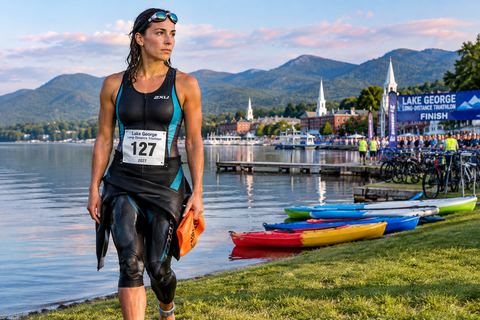
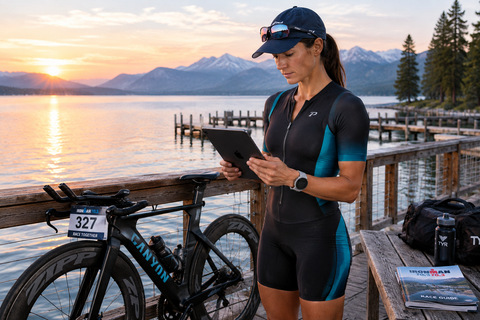
Leading this market expansion are tri suits, which command a significant 48% market share. These garments are engineered to perform seamlessly across all triathlon disciplines, offering advanced moisture-wicking, quick-dry capabilities, and compression features. Their aerodynamic design and UV protection make them indispensable for both amateur and professional athletes.
Technical Innovations
Modern tri suits incorporate cutting-edge technologies, such as smart compression and multi-zone moisture management, enhancing performance across swimming, cycling, and running. These innovations ensure athletes remain comfortable and competitive, regardless of the discipline. For those seeking premium performance gear, investing in a quality competition tri suit can make a significant difference in race day results.
Demographic Dynamics: Male Dominance and Female Growth
The market is predominantly male, with 58% of the market share. Men's triathlon clothing focuses on compression support and ergonomic designs tailored to male athletes' needs. However, the 42% female segment presents significant growth opportunities, driven by increasing female participation in triathlons.
Gender-Specific Innovations
Manufacturers are developing gender-specific technologies to cater to the unique needs of female athletes, signaling a promising future for this segment. Whether you're training with cutting-edge technology or preparing for your first race, proper athletic wear is essential.
Regional Leaders: West Coast's Dominance
Regionally, the West USA leads with a 9.9% CAGR, reflecting its outdoor culture and favorable climate for year-round training. The South USA follows with an 8.9% CAGR, while the Northeast USA and Midwest USA show healthy growth at 8.0% and 6.9%, respectively.
Climate and Lifestyle Influences
The West Coast's leadership is attributed to its concentration of triathlon events and outdoor-oriented lifestyle, creating a positive feedback loop that drives demand for specialized gear. Athletes training in these regions benefit from access to world-class race venues and year-round training conditions.
The Role of Technology and Innovation
Technological advancements are pivotal to the market's growth. Modern triathlon gear features advanced fabric technologies, smart compression, and sustainable materials, transforming these garments into high-tech performance systems. Athletes looking to optimize their training technology should consider pairing their clothing with performance monitoring devices like a heart rate monitor.
Sustainable Practices
Environmental consciousness is driving manufacturers toward sustainable material sourcing and eco-friendly production methods, aligning with consumer demand for responsible products. This trend mirrors the broader movement in triathlon wellness products toward environmentally friendly options.
Market Drivers and Future Outlook
Several trends fuel the market's growth, including rising participation in endurance sports, health consciousness, and the integration of athletic gear into everyday life. E-commerce platforms and direct-to-consumer sales models enhance accessibility, supporting rapid market expansion.
Strategic Implications
For athletes, investing in quality triathlon clothing enhances training and competition experiences. Retailers can capitalize on regional variations, while manufacturers focus on innovation and sustainability. Investors find an attractive segment within the broader athletic apparel industry. Essential accessories like anti-fog swim goggles and electrolyte supplements complement performance apparel for complete race-day readiness.
The triathlon clothing market's transformation into a $2.1 billion powerhouse by 2035 reflects broader changes in fitness, performance, and lifestyle integration. As this market continues its remarkable growth, it will undoubtedly influence innovation and investment patterns across the athletic apparel industry.
Recommended internal resources and shop items:
Find the perfect training gear at TriLaunchpad — your triathlon journey starts here. Shop all collections →