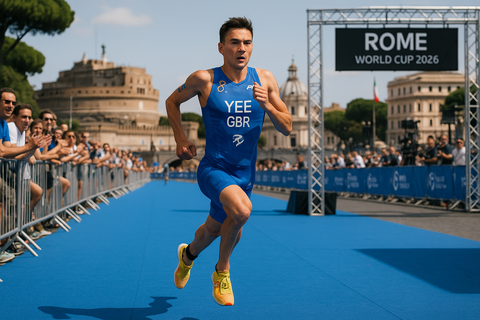
Der große Triathlon-Umbruch: Was die neue World Tour für Athleten und Fans bedeutet
Die Triathlon-Welt hat gerade die bedeutendste strukturelle Veränderung seit Jahrzehnten erlebt. Die jüngste Ankündigung einer Partnerschaft zwischen der Professional Triathletes Organisation (PTO) und World Triathlon läutet eine neue Ära im Wettkampf-Triathlon ein. Die Einführung der Triathlon World Tour, die die T100-Serie, die neu benannte T50-Serie (ehemals WTCS) und die Challenger Series (ehemals World Triathlon Cups) umfasst, markiert eine monumentale Veränderung in der Sportlandschaft.
Jahrelang musste sich die Triathlon-Gemeinschaft durch ein Labyrinth von Meisterschaften und fragmentierten Rennserien navigieren. Mit dieser Konsolidierung unter einem Dach steht der Sport nun vor einer Transformation. Aber ist diese Veränderung die Evolution, die der Triathlon dringend benötigt, oder erleben wir eine Machtkonzentration, die Athleten zurücklassen könnte?
Diese Analyse untersucht die Vor- und Nachteile dieser monumentalen Verschiebung und hilft Athleten, Fans und Branchenvertretern zu verstehen, was wirklich auf dem Spiel steht, während wir uns der vollständigen Umsetzung im Jahr 2027 nähern.
Was ist die Triathlon World Tour?
Die Triathlon World Tour stellt die bedeutendste organisatorische Umstrukturierung im modernen Triathlon dar. Dieses neue System, das aus einer erneuerten Partnerschaft zwischen der PTO und World Triathlon hervorgegangen ist, schafft eine einheitliche Hierarchie über drei verschiedene Rennstufen hinweg.
An der Spitze steht die T100-Serie, bei der Elite-Athleten über die immer beliebter werdende 100-Kilometer-Distanz antreten. Darunter behält die T50-Serie (die umbenannte World Triathlon Championship Series) das traditionelle Olympische Distanz-Format bei. Schließlich ersetzt die Challenger Series die aktuellen World Triathlon Cups und bietet einen Weg für aufstrebende Talente.
Der ambitionierte Zeitplan sieht eine vollständige Umsetzung bis 2027 vor, wobei das Rennportfolio auf etwa 100 Veranstaltungen in allen drei Serien erweitert wird. Dies stellt eine massive Skalierung des organisierten Triathlon-Wettkampfs dar, wobei die PTO die kommerzielle Kontrolle übernimmt, während World Triathlon sich auf Governance und Sportentwicklung konzentriert.
Die Vorteile: Warum dies den Triathlon verändern könnte
Vereinfachte Struktur für besseres Verständnis
Jahrelang litt der Triathlon unter „Meisterschaftsmüdigkeit“. Athleten kämpften um zahlreiche Titel, was bei den Fans zu Verwirrung führte, wer der „echte“ Weltmeister ist. Die Triathlon World Tour begegnet dieser Verwirrung, indem sie eine erkennbare dreistufige Struktur schafft, die den Sport für Neulinge zugänglicher und für Sponsoren, Medienpartner und Olympische Funktionäre leichter verständlich macht.
Verbesserte Medienattraktivität und Entwicklung der Übertragung
Die Investitionen der PTO in Übertragungsrechte haben eine entscheidende Grundlage für diese Expansion gelegt. Ab 2026 werden die T100-Rennen der Männer und Frauen getrennt ausgetragen, was kürzere, fernsehfreundlichere Übertragungen ermöglicht. Diese strategische Trennung begegnet einer der größten Medienherausforderungen des Profi-Triathlons: der Renndauer. Mit fast 100 Veranstaltungen im Portfolio bis 2027 wird das Medienprodukt für Sender und Streaming-Plattformen attraktiver, wodurch die langjährigen Sichtbarkeitsprobleme des Triathlons gelöst werden.
Potenzielle Olympische Integration
Die Triathlon World Tour eröffnet realistische Möglichkeiten für eine olympische Erweiterung. Während Los Angeles 2028 zu früh kommen mag, wird die Aussicht auf drei olympische Triathlon-Wettkämpfe mit einer etablierten World Tour-Struktur plausibler. Das Internationale Olympische Komitee schätzt Sportarten mit klaren, global anerkannten Meisterschaftssystemen, was den Triathlon für eine erweiterte olympische Vertretung bei zukünftigen Spielen positioniert.
Bessere Trennung von Governance und Kommerz
Die Partnerschaft schafft eine klarere Aufgabenteilung zwischen Sport-Governance und kommerzieller Verwertung. World Triathlon kann sich auf Sportentwicklung, Regelsetzung und globale Governance konzentrieren, während die PTO kommerzielle Aktivitäten und Geschäftswachstum verantwortet. Diese Trennung sollte die operative Effektivität beider Organisationen verbessern.
Die Bedenken: Was schiefgehen könnte
Reduzierte Möglichkeiten für aufstrebende Athleten
Die Konsolidierung bringt einen Nachteil für Athleten außerhalb der Elite-Ebene mit sich. Mit weniger Meisterschaftsrennen wird es für aufstrebende Athleten schwieriger, Sichtbarkeit zu erlangen. Die Challenger Series wird wahrscheinlich weniger Medienberichterstattung erhalten, was eine Sichtbarkeitslücke schafft, die Durchbruchsleistungen weniger wirkungsvoll macht. Diese Besorgnis erstreckt sich auf die Verteilung von Preisgeldern, Medienpräsenz und Sponsoringmöglichkeiten. Für Altersklassenathleten, die ihre Leistung verbessern möchten, können KI-Trainings-Apps dazu beitragen, die Lücke zwischen Amateur- und Profi-Trainingsmethoden zu schließen.
Machtkonzentration der PTO und monopolistische Bedenken
Die PTO beansprucht nun die kommerziellen Rechte an den wertvollsten Vermögenswerten von World Triathlon, was Fragen nach einer monopolistischen Kontrolle in der Triathlon-Governance aufwirft. Während World Triathlon die Autorität über die Sportregeln behält, kontrolliert die PTO den kommerziellen Motor, der das Wachstum des Profi-Triathlons antreibt. Die langfristigen Auswirkungen dieser Machtkonzentration bleiben unklar.
Rechte der Athleten und Vertretungsprobleme
Die offensichtliche Erosion des Athleteneinflusses innerhalb der PTO-Struktur ist besorgniserregend. Berichte über unbezahlte Preisgelder im Jahr 2024 werfen Fragen nach der Fähigkeit der PTO auf, die erweiterten Verantwortlichkeiten der Triathlon World Tour zu bewältigen. Bei großen Übernahmen und neuen Partnerschaften dürfte die Macht der Athleten abnehmen, was der ursprünglichen Vision einer athletenzentrierten Governance widerspricht.
Fragen zu Governance und Integrität
Die jüngsten Governance-Herausforderungen von World Triathlon fügen eine weitere Ebene der Besorgnis hinzu. Korruptionsvorwürfe werfen Fragen nach ihrer Fähigkeit auf, einen Betrieb mit erheblichen finanziellen Investitionen zu überwachen. Transparente Aufsichtsmechanismen werden entscheidend sein, um die Integrität des Sports aufrechtzuerhalten, während diese Änderungen stattfinden.
Analyse der Branchenauswirkungen
Für Profi-Athleten
Die Karriereauswirkungen für professionelle Triathleten variieren je nach Leistungsniveau. Elite-Athleten können von erhöhten Preisgeldern und besserer Medienpräsenz profitieren, während Athleten in der Entwicklungsphase mit einer anspruchsvolleren Landschaft und weniger Durchbruchsmöglichkeiten konfrontiert sind. Das Verständnis, was eine gute Ironman 70.3 Zeit ausmacht, kann Athleten helfen, ihren Fortschritt in dieser sich entwickelnden Wettkampfsituation zu bewerten.
Für Rennveranstalter
Bestehende Rennveranstalter müssen die Integration in das neue System bewältigen, während sie möglicherweise mit erhöhten Kosten und regulatorischen Anforderungen konfrontiert sind. Änderungen bei kommerziellen Partnerschaften könnten die Einnahmequellen beeinflussen, insbesondere bei Veranstaltungen, die sich möglicherweise nicht für die höheren Stufen des neuen Systems qualifizieren. Große Veranstaltungen wie der Challenge Roth werden wahrscheinlich weiterhin florieren, aber kleinere regionale Rennen könnten Schwierigkeiten haben.
Für Fans und Medien
Aus Sicht der Fans versprechen die Änderungen ein kohärenteres und zugänglicheres Seherlebnis. Konsolidierte Sendepläne und verbesserte Produktionswerte sollten die Attraktivität des Triathlons sowohl für bestehende Fans als auch für potenzielle neue Zielgruppen steigern. Medienorganisationen profitieren von besser vorhersehbaren Inhaltskalendern und einem besseren Zugang zu Athleten und Veranstaltungen.
Blick nach vorne: Implementierungsherausforderungen und -chancen
Die Übergangszeit 2025-2027
Der schrittweise Implementierungszeitplan bietet Chancen und Herausforderungen. Athleten haben Zeit, ihre Strategien anzupassen, während Veranstalter strukturelle Änderungen planen können. Die Übergangszeit schafft jedoch Unsicherheiten, die Karriereentscheidungen von Athleten, Sponsorenzusagen und das Engagement der Fans beeinträchtigen könnten. Eine klare Kommunikation über Qualifikationskriterien und Rennpläne ist unerlässlich, um Stabilität zu gewährleisten.
Für Athleten, die sich in dieser Übergangszeit auf wichtige Wettkämpfe vorbereiten, ist die richtige Ausrüstung entscheidend. Eine Garmin Forerunner 55 GPS-Uhr kann helfen, Trainingsfortschritte und Rennleistung zu verfolgen, während eine passende Schwimmbrille mit UV-Schutz optimale Sicht beim Freiwasserschwimmen gewährleistet.
Erfolgsmetriken im Blick
Wichtige Indikatoren werden den Erfolg der Triathlon World Tour bestimmen: Wachstum der Zuschauerzahlen und des Engagements, Zufriedenheitsmessungen der Athleten, finanzielle Nachhaltigkeitsindikatoren und Ergebnisse der Sportentwicklung in Schwellenländern. Athleten und Fans sollten gleichermaßen beobachten, wie sich die Ausrüstungsvorschriften unter der neuen Struktur entwickeln.
Das Fazit: Evolution oder Ausbeutung?
Die Triathlon World Tour stellt sowohl die größte Chance als auch das größte Risiko des Triathlons seit Jahrzehnten dar. Die potenziellen Vorteile begegnen vielen langjährigen Herausforderungen des Sports, doch Bedenken hinsichtlich der Machtkonzentration, der Athletenvertretung und der Integrität der Governance dürfen nicht ignoriert werden.
Der letztendliche Erfolg dieser Transformation hängt von der Umsetzung ab. Wenn die PTO ihre Versprechen einhalten und gleichzeitig die Wettbewerbsintegrität wahren kann, könnte die Triathlon World Tour eine goldene Ära für unseren Sport einläuten. Wenn nicht, könnte sie zu einer warnenden Geschichte über kommerziellen Erfolg zulasten grundlegender Werte werden. Die nächsten zwei Jahre werden entscheidend sein, um das Ergebnis dieses „großen Triathlon-Umbruchs“ zu bestimmen.
Für Athleten auf allen Leistungsstufen, die ihre Leistung in dieser Übergangszeit verbessern möchten, kann die Investition in hochwertige Trainingshilfen wie Magnesiumcitrat-Ergänzungen zur Regeneration und Elektrolyt-Pulver-Päckchen zur Hydration einen erheblichen Unterschied machen. Ob Sie an extremen Ausdauerveranstaltungen wie dem Norseman oder lokalen Sprint-Triathlons teilnehmen, die richtige Vorbereitung und das Verständnis der sich entwickelnden Sportlandschaft sind entscheidend für den Erfolg.
Finden Sie die perfekten Renntag-Essentials bei TriLaunchpad – Ihre Triathlonreise beginnt hier. Alle Kollektionen ansehen →