Ironman 70.3 La Quinta 2025: Der neue Kurs und was er für Sie bedeutet
Eine Vorschau auf den aktualisierten Kurs, Athletenperspektiven und praktische Vorbereitungstipps für das Rennen am 7. Dezember 2025 im Coachella Valley.
Als der olympische Silbermedaillengewinner Morgan Pearson nach seinem Erfolg in Paris jedes Triathlon-Ziel hätte wählen können, entschied er sich für die Wüstenlandschaft des Coachella Valley. Diese Wahl spricht Bände über die Anziehungskraft des Ironman 70.3 La Quinta, ein Event, das sich durch seine einzigartige Mischung aus anspruchsvollem Terrain und atemberaubender Natur auszeichnet. Mit Blick auf das Rennen 2025 versprechen aufregende Kursänderungen, dieses Event noch fesselnder zu machen.
Dieses Wüsten-Triathlon, der für Sonntag, den 7. Dezember, angesetzt ist, bietet eine seltene Gelegenheit: ein Saisonabschlussrennen, das sportliche Herausforderung mit atemberaubenden Ausblicken verbindet. Mit neuen Kursmodifikationen und einem einzigartigen Zeitpunkt, der "eine sehr einzigartige Situation" schafft, wie Renndirektor Ryan Jarrell es ausdrückt, wird das diesjährige Event sowohl ein visuelles Spektakel als auch eine Prüfung der Ausdauer bieten.
Egal, ob Sie ein angehender Teilnehmer, ein Triathlon-Enthusiast oder einfach nur neugierig sind, was Weltklasse-Athleten in die Wüste zieht, hier finden Sie alles, was Sie über den Ironman 70.3 La Quinta 2025 und seine bahnbrechenden Kursaktualisierungen wissen müssen.
Was den Ironman 70.3 La Quinta auszeichnet
Der Dezember-Termin des Ironman 70.3 La Quinta schafft eine faszinierende Dynamik in der Triathlon-Welt. Während die meisten großen Rennen in den Monaten der Hochsaison stattfinden, dient dieses Wüsten-Event entweder als perfekter Saisonabschluss oder als primäres Zielrennen, auf das Athleten das ganze Jahr hinarbeiten.
"Es schafft eine sehr einzigartige Situation", erklärt Renndirektor Ryan Jarrell, "ob Athleten am Ende des Jahres wirklich in Topform sein wollen, oder ob es ihr A-Rennen ist und sie das ganze Jahr darauf hingearbeitet haben."
Diese Positionierung zieht ein vielfältiges Athletenfeld mit unterschiedlichen Motivationen an. Einige nutzen das Rennen, um eine erfolgreiche Saison in Topform abzuschließen, während andere ihr gesamtes Trainingsjahr um diese einzige Wüstenherausforderung herum strukturieren. Das Ergebnis ist ein wettbewerbsintensives Feld, das von Freizeit-Teilnehmern, die einen unvergesslichen Jahresabschluss suchen, bis hin zu Elite-Athleten wie Morgan Pearson reicht, die sich unter einzigartigen Bedingungen über eine längere Distanz testen.
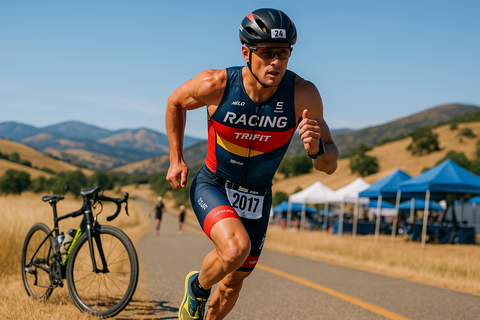
Die Wüstenkulisse selbst verleiht einen weiteren Reiz. Im Gegensatz zu traditionellen Triathlon-Veranstaltungsorten, die vielleicht vertraute See- oder Küstenumgebungen bieten, bietet das Coachella Valley eine Kulisse aus alten Bergen und geologischen Formationen, die nur wenige andere Rennen erreichen können. Diese unverwechselbare Landschaft wird Teil der sportlichen Herausforderung und des gesamten Erlebnisses.
Kursänderungen 2025: Wichtige Updates für Athleten
Der Ironman 70.3 La Quinta 2025 weist nach dem Ende einer Partnerschaft mit Indian Wells erhebliche Kursmodifikationen auf, die zu "überarbeiteten Rad- und Laufstrecken" führen, die den Charakter des Rennens bewahren und gleichzeitig neue Herausforderungen bieten, wie Jarrell beschreibt.
Das Schwimmen: Lake Cahuilla bleibt
Der 1,2 Meilen lange Schwimmabschnitt findet weiterhin am Lake Cahuilla statt und bietet den Athleten einen konstanten Startpunkt unter ruhigen, kontrollierten Wasserbedingungen. Diese Stabilität ermöglicht es wiederkehrenden Teilnehmern, ihre Vorbereitung auf die modifizierten Landabschnitte des Rennens zu konzentrieren. Für eine optimale Schwimmleistung sollten Sie in hochwertige, beschlagfreie Schwimmbrillen investieren, die mit unterschiedlichen Lichtverhältnissen umgehen können.
Das Radfahren: Neue 56-Meilen-Strecke durch La Quinta und Thermal
Das Radsegment, das 56 Meilen durch La Quinta und Thermal führt, wurde an die Kursänderungen angepasst. Obwohl keine spezifischen Streckendetails in den verfügbaren Informationen enthalten waren, stellen diese Modifikationen eine Gelegenheit dar, dass sowohl wiederkehrende Athleten etwas Neues erleben als auch Erstteilnehmer eine neue Strecke gemeinsam mit allen anderen bewältigen können. Eine angemessene Trainingsvorbereitung ist entscheidend, um diese neue Strecke zu meistern.
Der Lauf: SilverRock Resort wird neues Zuhause
Die vielleicht bedeutendste Änderung betrifft den 13,1 Meilen langen Laufkurs, der nun vollständig im SilverRock Resort stattfindet. Diese Verlagerung konzentriert den Laufabschnitt auf einen einzigen Ort und bietet potenziell bessere Zuschauermöglichkeiten und kontrolliertere Rennbedingungen für die Teilnehmer.
"Sie haben einen neuen Laufkurs im SilverRock Resort, und der Radkurs wurde angepasst", bestätigt Jarrell und betont, dass diese Änderungen die Integrität des Rennens wahren, während sie sich an neue logistische Realitäten anpassen.
Für Athleten, die ihre Teilnahme 2025 planen, bedeuten diese Kursmodifikationen, dass frühere Erfahrungen mit dem Rennen zwar wertvoll, aber nicht vollständig vorbereitend sind. Die neuen Strecken erfordern ein frisches strategisches Denken hinsichtlich Tempo, Ernährung und Logistik am Renntag. Stellen Sie sicher, dass Sie mit der richtigen Elektrolyt-Ergänzung ausgestattet sind, um die Wüstenbedingungen zu bewältigen.
Elite-Athleten-Perspektive: Warum Champions die Wüste wählen
Morgan Pearsons Entscheidung, nach seiner olympischen Silbermedaille in La Quinta anzutreten, gibt Einblick, was Weltklasse-Athleten zu diesem speziellen Rennen zieht. Nach der Teilnahme am Mixed-Staffel-Wettbewerb der Olympischen Spiele suchte Pearson eine andere Art von Herausforderung.
„Ich wollte einfach etwas anderes ausprobieren“, erzählt Pearson und hebt hervor, wie das Rennformat und der Ort genau die Abwechslung boten, die er suchte. Der Wechsel vom Rennen über olympische Distanzen zum 70.3-Format erforderte erhebliche Trainingsanpassungen, insbesondere „hin zu anhaltender Distanz statt Wetterbedingungen“.
Dieser Trainingsfokus beleuchtet eines der einzigartigen Merkmale des Rennens. Während viele Triathlons Athleten mit unvorhersehbarem Wetter oder extremen Bedingungen herausfordern, bietet die Wüstenumgebung im Coachella Valley im Dezember relativ stabile Bedingungen, die es Athleten ermöglichen, sich rein auf Ausdauer und Pacing-Strategie zu konzentrieren.
Die Anwesenheit von Olympiasportlern wie Pearson erhöht auch den Wettbewerbsstandard des gesamten Feldes. Ihre Teilnahme zeigt, dass der Ironman 70.3 La Quinta als legitimer Test der Triathlon-Fähigkeiten anerkannt ist, nicht nur als Freizeit- oder lokales Event.
Für angehende Triathleten bietet die Möglichkeit, auf dem gleichen Kurs wie olympische Medaillengewinner anzutreten, sowohl Inspiration als auch einen Maßstab, um die persönliche Leistung mit Weltklasse-Standards zu messen.
Die Gemeinschaft hinter dem Rennen
Die Komplexität der Organisation eines Triathlons über mehrere Veranstaltungsorte und Gelände erfordert eine umfassende Zusammenarbeit der Gemeinschaft – etwas, das viele Teilnehmer nie vollständig zu schätzen wissen.
„Die meisten Leute merken nicht, wie viele Hände beteiligt sind“, betont Jarrell. „Es braucht ein ganzes Dorf – von der Strafverfolgung bis zum Coachella Valley Water District. Wir sind unglaublich dankbar für ihre Unterstützung.“
Diese behördenübergreifende Koordination erstreckt sich über zahlreiche lokale Organisationen:
- Strafverfolgungsbehörden gewährleisten die Verkehrssicherheit während des Radabschnitts und regeln den Verkehrsfluss entlang aller Kursabschnitte. Ihr Engagement ist entscheidend für die Aufrechterhaltung der Athletensicherheit und die Minimierung von Störungen für die lokalen Gemeinden.
- Der Coachella Valley Water District spielt eine wichtige Rolle bei der Verwaltung des Wasserzugangs und der Sicherheitsprotokolle, insbesondere für den Schwimmabschnitt am Lake Cahuilla und die Verpflegungsstationen entlang des Kurses.
- Lokale Unternehmen und Freiwillige bieten wesentliche Unterstützungsdienste, von Verpflegungsstationen bis hin zu Einrichtungen nach dem Rennen. Dieses gemeinschaftliche Engagement schafft eine Atmosphäre, die über den reinen sportlichen Wettkampf hinausgeht.
Die kollaborative Natur des Events zeigt, dass erfolgreiche Ausdauerrennen eine echte Gemeinschaftspartnerschaft erfordern. Im Gegensatz zu Rennen, die die lokale Infrastruktur überfordern könnten, scheint der Ironman 70.3 La Quinta nachhaltige Beziehungen entwickelt zu haben, die sowohl dem Sportevent als auch der gesamten Coachella Valley-Gemeinschaft zugutekommen.
Diese Gemeinschaftsintegration verbessert auch das Teilnehmererlebnis und schafft ein Gefühl lokaler Unterstützung und Gastfreundschaft, das viele großangelegte Triathlons nur schwer aufrechterhalten können.
Der Wüstenvorteil: Landschaft als Wettkampfelement
Die einzigartigen geologischen Besonderheiten des Coachella Valley verwandeln die sportliche Herausforderung in etwas, das einem Freilichtmuseumserlebnis nahekommt. Für Rennleiter Jarrell stellt diese Landschaftsintegration eines der markantesten Merkmale der Veranstaltung dar.
„Man sieht die Berge und die Wasserzeichen von vor 500 Jahren oder länger. Es ist eine einzigartige Erfahrung, dies zu ertragen“, erklärt Jarrell und hebt hervor, wie die Wüstenumgebung der physischen Herausforderung historische und visuelle Dimensionen verleiht.
Antike geologische Merkmale
Die Gebirgsketten, die den Kurs umgeben, bieten mehr als nur landschaftliche Schönheit – sie stellen greifbare Verbindungen zu geologischen Prozessen her, die sich über Hunderttausende von Jahren erstrecken. Athleten rasen an Formationen vorbei, die Geschichten von alten Seebetten, seismischer Aktivität und Klimaveränderungen erzählen, die die heutige Landschaft geprägt haben.
Strategische Wettervorteile
Das Rennen im Dezember im Coachella Valley bietet Temperaturverhältnisse, die viele andere Triathlon-Destinationen in den Hochsaisonmonaten nicht bieten können. Während sommerliche Wüstenbedingungen erhebliche Hitzeprobleme verursachen würden, bietet der Winterzeitpunkt das, was viele Athleten als ideales Rennwetter betrachten. Dennoch bleibt eine angemessene Hydration und Elektrolytmanagement entscheidend.
Visuelle Motivation und mentale Herausforderung
Die weiten Wüstenlandschaften können sowohl Motivation als auch mentale Herausforderung sein. Die scheinbar endlosen Horizonte bieten visuelle Inspiration, während sie gleichzeitig von den Athleten verlangen, sich über lange Distanzen ohne die visuellen Markierungen zu konzentrieren, die dichter bebaute Rennstrecken bieten könnten.
Einzigartige Trainingsumgebung
Für Athleten, die frühzeitig zum Training anreisen, bietet die Wüstenumgebung Vorbereitungsmöglichkeiten, die den Bedingungen am Renntag sehr nahekommen. Dieser Vorteil kommt besonders denen zugute, die aus anderen Klimazonen oder Höhenlagen anreisen. Erwägen Sie die Erkundung effektiver Trainingsübungen, um Ihre Vorbereitung zu maximieren.
Die Kombination aus stabilem Dezemberwetter, dramatischer visueller Kulisse und historisch bedeutsamer Landschaft schafft Rennbedingungen, die nur wenige andere Triathlon-Veranstaltungsorte replizieren können. Diese Besonderheit erklärt, warum Elite-Athleten wie Morgan Pearson gezielt das La Quinta-Erlebnis suchen.
Vorbereitung auf den Renntag: Praktische Überlegungen
Die Kursänderungen und die Wüstenumgebung erfordern spezifische Vorbereitungsstrategien, die sich vom traditionellen Triathlon-Training unterscheiden:
Trainingsanpassungen
Sportler sollten sich auf nachhaltige Ausdauer statt auf Wetteranpassung konzentrieren, wie Pearsons Ansatz zeigt. Die stabilen Dezemberbedingungen ermöglichen eine Betonung der Tempo-Strategie und des Ernährungs-Timings ohne übermäßige Sorgen um die Hitzeakklimatisierung. Überprüfen Sie unseren umfassenden Leitfaden zu Triathlon-Zeitlimits und Pacing, um Ihre Rennstrategie zu optimieren.
Ausrüstungsüberlegungen
Das Wüstenrennen stellt einzigartige Anforderungen an die Ausrüstung, von Sonnenschutz während des Radsegments bis hin zu Hydratationsstrategien, die die geringe Luftfeuchtigkeit berücksichtigen. Die neuen Kurslayouts können auch unterschiedliche Präferenzen für die Fahrradeinstellung erfordern. Stellen Sie sicher, dass Sie einen zuverlässigen GPS-Fahrradcomputer haben, um Ihre Leistung zu verfolgen und den neuen Kurs zu navigieren.
Logistik und Zeitplanung
Da das SilverRock Resort nun den Laufabschnitt beherbergt, sollten die Teilnehmer die Unterkunft und den Transport entsprechend planen. Die Konsolidierung des Veranstaltungsortes kann die Logistik im Vergleich zu früheren Übergängen zwischen mehreren Veranstaltungsorten tatsächlich vereinfachen.
Zuschauermöglichkeiten
Die neue Kurskonfiguration bietet potenziell einen verbesserten Zugang für Zuschauer, insbesondere da der Laufkurs im SilverRock Resort konzentriert ist. Familien und Freunde, die teilnehmen möchten, sollten sich über optimale Aussichtspunkte entlang der modifizierten Routen informieren.
Die Zukunft des Wüsten-Triathlons
Während sich der Ironman 70.3 La Quinta mit seiner neuen Kurskonfiguration weiterentwickelt, stellt das Event 2025 sowohl Anpassung als auch Chance dar. Die Änderungen zeigen das Engagement der Rennorganisatoren, die Qualität der Veranstaltung aufrechtzuerhalten und sich gleichzeitig an veränderte Partnerschaften und Logistik anzupassen.
Die anhaltende Anziehungskraft von Spitzensportlern wie Morgan Pearson deutet darauf hin, dass das Wüsten-Triathlon-Konzept über die lokale oder regionale Attraktivität hinaus Bestand hat. Da immer mehr Athleten die einzigartige Kombination aus herausfordernden Bedingungen, stabilem Wetter und atemberaubender Landschaft entdecken, könnte La Quinta durchaus zu einem Zielrennen werden, das mit etablierteren Triathlon-Standorten wie dem Ironman Wisconsin oder dem Ironman 70.3 Mont Tremblant konkurriert.
Für die breitere Triathlon-Gemeinschaft beweisen Veranstaltungen wie diese, dass Innovation und Anpassung die Attraktivität des Sports eher steigern als beeinträchtigen können. Die Bereitschaft, Kurse zu modifizieren und gleichzeitig den wesentlichen Charakter der Herausforderung zu bewahren, zeigt, wie sich Ausdauerrennen verantwortungsvoll entwickeln können.
Der Ironman 70.3 La Quinta am 7. Dezember 2025 bietet sowohl vertraute Elemente als auch neue Herausforderungen. Egal, ob Sie ein Elite-Athlet sind, der einen einzigartigen Saisonabschluss sucht, ein Freizeit-Triathlet, der unvergessliche Wüstenrennen sucht, oder ein Zuschauer, der Weltklasse-Ausdauerwettkämpfe in einer atemberaubenden Naturkulisse erleben möchte, der diesjährige modifizierte Kurs verspricht ein Erlebnis, das so unverwechselbar ist wie die alte Landschaft, die ihn beherbergt.
Bereit für die Wüstenherausforderung? Besuchen Sie die offizielle Ironman-Website für Anmeldeinformationen und beginnen Sie mit der Planung Ihrer Reise zum anspruchsvollsten – und lohnendsten – Sportereignis im Coachella Valley. Vergessen Sie nicht, unseren umfassenden Triathlon-Kalender zu konsultieren, um Ihre gesamte Rennsaison zu planen.
Finden Sie die perfekten Renntag-Essentials bei TriLaunchpad – Ihre Triathlon-Reise beginnt hier. Alle Kollektionen ansehen →